
A workshop fit-out is a major operational project. It affects safety, productivity, staff flow, and long-term costs. For large dealerships, fleet operators, and commercial service centres, small planning gaps can cause delays, rework, or downtime.
Many projects fail because teams rush early decisions or split responsibility across too many parties. Layout issues, equipment clashes, and trade delays often appear late, when changes cost the most.
HDR Workshop Solutions takes a different approach. We lead the fit-out process from early planning through to installation and support. We focus on how the workshop will operate every day, not just how it looks at handover.
This guide explains each stage of a workshop fit-out project. It shows what happens, who is involved, and why each step matters. The goal is simple. Help decision-makers understand the process, reduce risk, and achieve a workshop that works from day one.
Step 1: Early Planning and Operational Review
Every successful workshop fit-out starts with clear planning. This stage sets the direction for the entire project.
HDR Workshop Solutions begins by reviewing how the business operates today. We look at vehicle types, service volume, staff numbers, and workflow. We assess how vehicles move through the site, where delays occur, and which areas affect safety or output.
This step focuses on facts, not assumptions. A workshop that services light vehicles needs a different layout from a heavy vehicle operation. A high-volume dealership needs different spacing, access, and equipment capacity than a low-throughput site.
We also review future needs. Many workshops outgrow their layout within a few years. Planning for growth at this stage helps avoid costly changes later.
Key outcomes of this step include:
- A clear understanding of operational needs
- Defined space requirements for bays, storage, and access
- Early identification of risks or constraints
- Alignment between business goals and workshop function
This planning phase reduces rework and decision delays later in the project. It gives all parties a shared reference point before design begins.
Step 2: Workshop Design and Layout Decisions
Once planning is complete, the design phase begins. This step turns operational needs into a clear workshop layout.
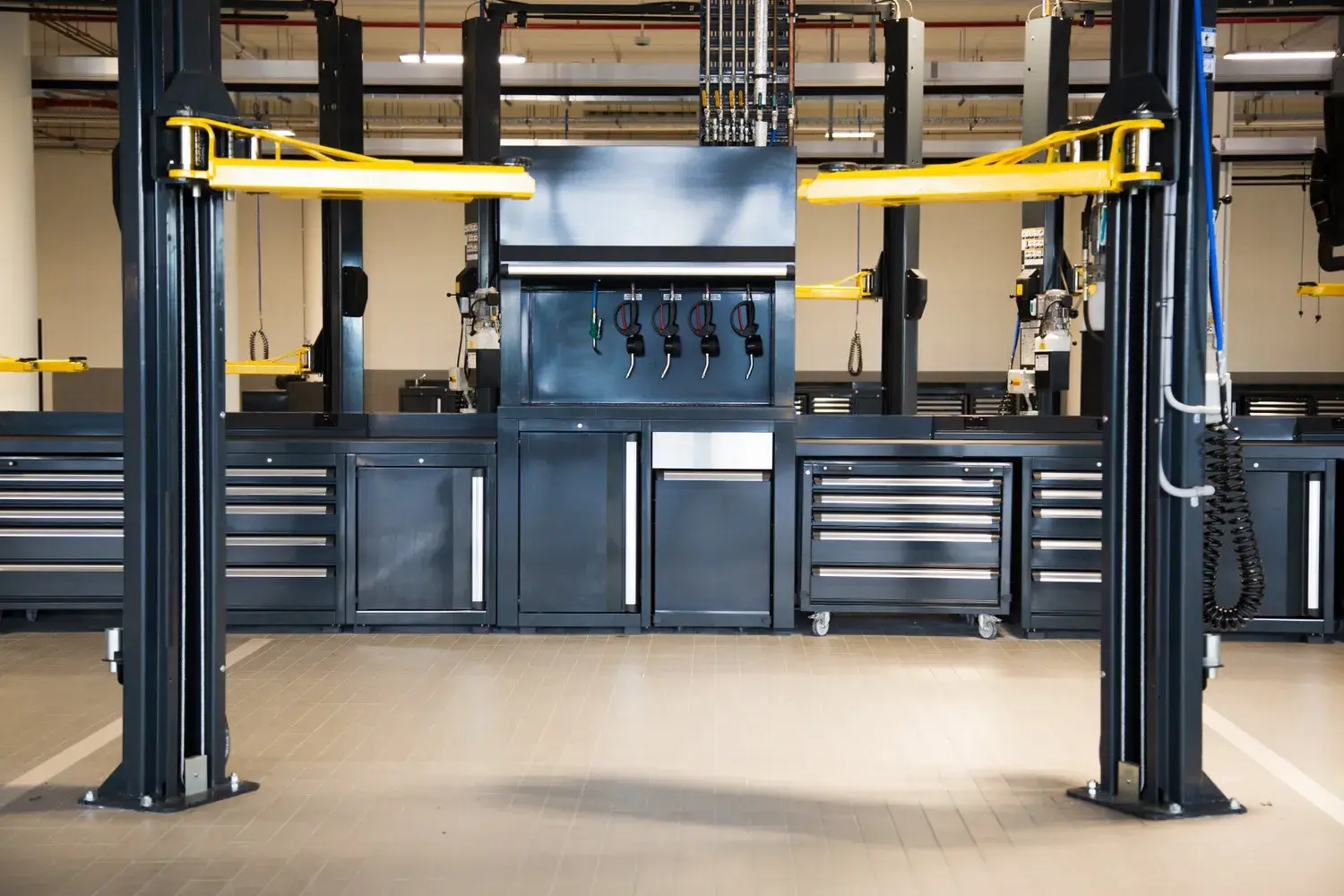
HDR Workshop Solutions designs workshops based on how people and vehicles move through the space. We position bays, lifts, storage, and work areas to support safe and efficient flow. Each decision aims to reduce congestion, double handling, and wasted movement.
Layout choices also affect compliance and safety. Clear access paths, correct spacing, and suitable load ratings protect staff and equipment. These details matter in high-volume environments where multiple teams work at once.
We also design with coordination in mind. The layout must align with the building structure, services, and installation sequence. Poor alignment at this stage often leads to clashes during construction.
This step typically covers:
- Bay numbers, sizes, and spacing
- Vehicle entry, exit, and circulation paths
- Equipment locations and service connections
- Storage, parts, and support areas
- Safety clearances and access zones
A clear layout reduces build delays and on-site changes. It gives builders and trades a shared reference and keeps the project moving with fewer interruptions.
Step 3: Equipment Selection and Specification
Equipment choices shape how a workshop performs every day. This step focuses on function, safety, and long-term use.
HDR Workshop Solutions selects equipment based on how the workshop will operate, not on brand preference alone. We assess load requirements, vehicle types, service frequency, and staff skill levels. This ensures each item suits the task it supports.
Poor equipment choices often create problems later. Mismatched specifications can limit throughput, increase downtime, or require early replacement. Clear selection at this stage avoids these issues.
We also confirm installation requirements early. Equipment needs correct power, air, and clearance allowances. Planning these details before construction prevents delays during fit-out.
This stage includes:
- Review of equipment needs by bay and task
- Confirmation of technical specifications
- Alignment with layout and building services
- Coordination of delivery and installation timing
Where clients have preferred suppliers or existing standards, we work within those requirements. The goal remains the same. Ensure every item fits the space, meets safety needs, and supports daily work without compromise.
Step 4: Builder and Trade Coordination
Workshop fit-outs involve many moving parts. Builders, electricians, plumbers, and equipment installers must work to a shared plan. Poor coordination at this stage often causes delays and rework.
HDR Workshop Solutions takes an active role in coordination. We work directly with the builder and all trades to align timing, access, and installation order. This keeps work flowing and reduces clashes on site.
Clear communication is critical. Trades need accurate layouts, service locations, and equipment details before work begins. We provide this information early and confirm it as the project progresses.
We also monitor sequencing. Some equipment must install before walls close. Other items require clear access once construction finishes. Managing this order avoids rushed work and last-minute changes.
This step typically includes:
- Ongoing coordination with the builder
- Clear scheduling of trades and installers
- Verification of services before equipment installation
- On-site checks to confirm alignment with plans
Strong coordination protects timelines and budgets. It ensures the workshop build supports the fit-out, not the other way around.
Step 5: Installation, Commissioning, and Safety Checks
Once the build reaches the right stage, installation begins. This step brings the workshop to life.
HDR Workshop Solutions manages the installation of all equipment. We confirm placement, fixings, and service connections before each item is commissioned. This ensures equipment operates as intended from day one.
Commissioning is not a formality. Each system is tested under real conditions to confirm performance and safety. Any issues are resolved before handover, not after the workshop opens.
Safety checks are central at this stage. Correct clearances, load ratings, and emergency access protect staff and reduce risk. These checks matter most in busy workshops where multiple tasks run at once.
This stage covers:
- Equipment installation to specification
- Testing and commissioning of systems
- Verification of safety requirements
- Final adjustments before handover
Careful installation and testing reduce early faults and downtime. They give managers confidence that the workshop is ready for daily use.
Step 6: Handover, Training, and Readiness
A workshop is not ready until the team can use it with confidence. This stage focuses on a smooth transition into daily operation.
HDR Workshop Solutions manages the handover process in a structured way. We confirm that all equipment operates correctly and matches the agreed scope. We review layouts, access paths, and safety zones with key stakeholders.
Training is part of readiness. Staff need to understand how to use new equipment safely and correctly. Clear instruction reduces misuse, damage, and early faults. It also helps teams work efficiently from the first day.
We also confirm documentation and compliance items. Managers need clear records for warranties, service schedules, and future reference.
This stage includes:
- Structured project handover
- Equipment training for staff
- Review of safety and access requirements
- Confirmation of documentation and records
A clear handover reduces uncertainty. It allows teams to focus on work, not fixes, once the workshop opens.
Step 7: Ongoing Support and Long-Term Performance
A workshop fit-out does not end at handover. Long-term performance depends on how the space and equipment hold up under daily use.
HDR Workshop Solutions stays involved after the project is complete. We support maintenance planning and provide ongoing assistance as the workshop operates. This helps protect uptime and extend equipment life.
Workshops change over time. Service volumes increase, staff numbers shift, and equipment loads evolve. Ongoing support allows these changes to happen without disrupting operations.
We also understand the equipment we install. This speeds up fault resolution and reduces reliance on multiple external providers.
This stage focuses on:
- Ongoing workshop support
- Maintenance planning and follow-up
- Assistance with operational changes
- Long-term performance and safety
Continued involvement helps protect the original investment. It ensures the workshop remains safe, efficient, and fit for daily use as the business grows.
Are You Planning a Workshop Fit-Out That Needs to Perform From Day One?
If you manage a large dealership or commercial workshop, the margin for error is small. Delays, layout issues, or poor coordination affect safety, uptime, and revenue.
HDR Workshop Solutions exists to remove that risk.
We are workshop fit-out specialists who work exclusively with car dealerships and heavy vehicle workshops. This focus shapes every decision we make. It is why our designs work in real operating conditions, not just on paper.
Why established operators trust HDR:
- 35+ years in business delivering workshop projects across Australia
- 1,200+ workshops completed, from dealerships to heavy vehicle facilities
- End-to-end control, from early planning through to installation and support
- Hands-on coordination with builders and trades to protect timelines and budgets
- Deep operational insight gained from time spent inside working workshops
- Long-term client relationships, with some workshops supported for over 20 years
We do not apply generic layouts or fixed formulas. We plan around how your workshop runs, how your team works, and how your operation needs to grow.
Our role does not stop at handover. We remain involved to support maintenance, changes, and long-term performance. This ensures your workshop stays safe, efficient, and productive well after opening.
If you are preparing for a new workshop or a major upgrade, the next step is a clear conversation. Speak with the HDR team to discuss your site, your goals, and what a fit-for-purpose workshop should deliver for your business.