

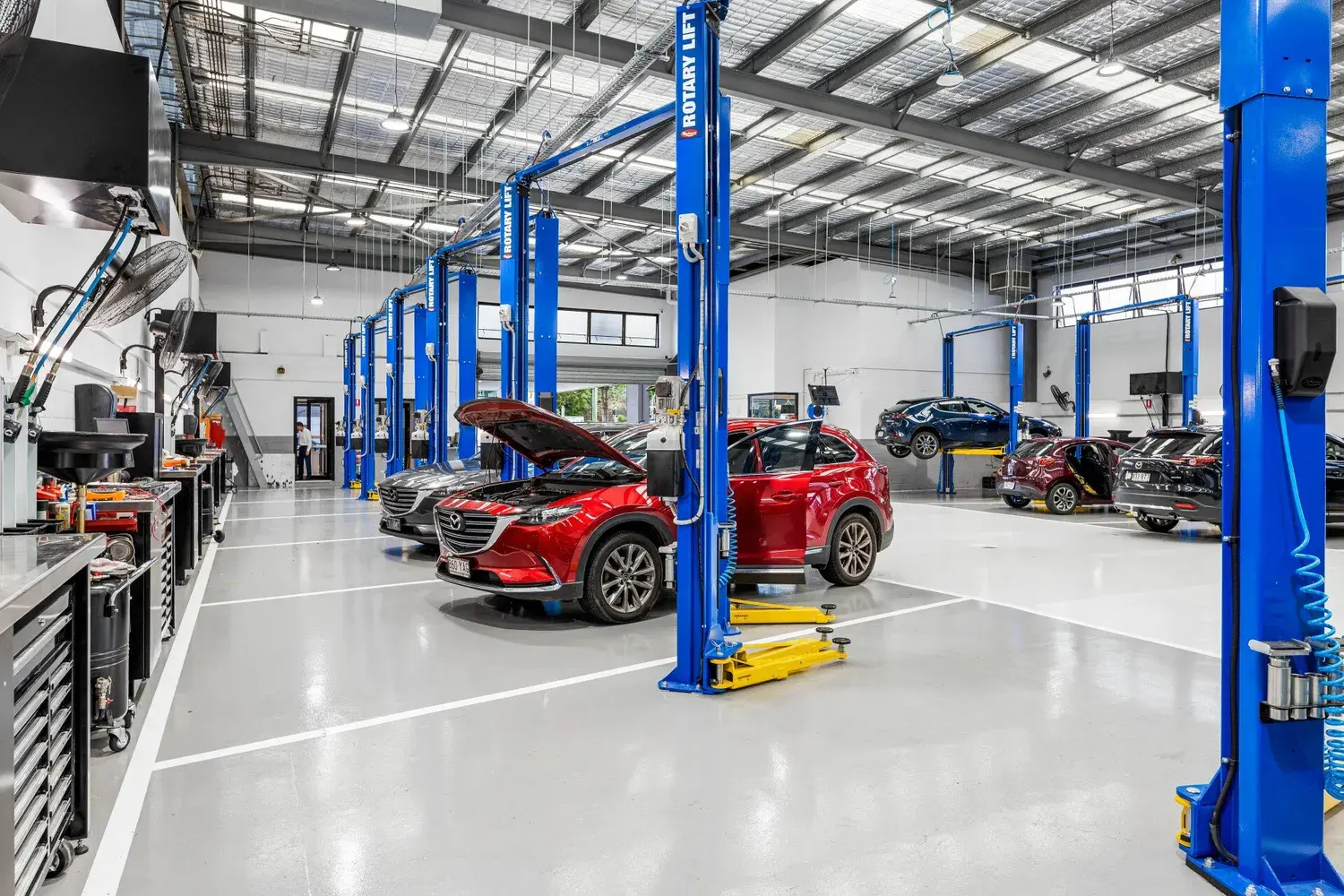
Workshop equipment is a major investment, and like any investment, it only delivers value when it’s properly looked after. Hoists, compressors, and workshop equipment are designed to work hard, but without the right maintenance approach, even the best equipment will wear out faster than it should.
Poor maintenance doesn’t just shorten the lifespan of your equipment. It leads to downtime, safety risks, rushed repairs, and unexpected costs that disrupt your workflow. And in a busy workshop, those issues add up quickly.
At HDR Workshop Solutions, we’ve worked in and around workshops for more than 36 years. We’ve seen equipment that’s still running smoothly after many years, and we’ve seen gear fail well before its time. The difference almost always comes down to how it’s operated and maintained.
Why workshop equipment maintenance matters
Workshop equipment is under constant pressure. Vehicles are heavier, workloads are higher, and turnaround times are tighter than ever. When equipment isn’t maintained properly, small issues quickly become major problems.
The impact can include:
- Unexpected breakdowns that stop work
- Reduced efficiency and slower job turnaround
- Higher repair and replacement costs
- Increased safety risks for technicians
- Non-compliance with safety standards and inspections
Good maintenance isn’t about ticking a box. It’s about keeping your workshop running smoothly, safely, and profitably.
1. Stick to a regular inspection schedule
One of the most effective ways to extend the life of workshop equipment is also one of the simplest: regular inspections.
Many issues don’t happen overnight. Wear, loosened fittings, leaks, or alignment problems usually develop gradually. If no one is looking for them, they go unnoticed until something fails.
What to do:
- Complete visual checks daily or weekly, depending on the equipment
- Look for unusual noises, vibrations, leaks, or movement
- Check bolts, anchors, hoses, cables, and safety locks
- Encourage technicians to report anything that doesn’t look or feel right
Catching problems early is less expensive and safer than dealing with a breakdown mid-job.
2. Keep workshop equipment clean
It sounds basic, but cleanliness plays a huge role in equipment longevity. Dust, grease, oil, and debris build up over time and can interfere with moving parts, sensors, and safety mechanisms.
Dirty equipment also makes it harder to spot issues like cracks, leaks, or worn components.
What you and your team can do:
- Clean equipment surfaces regularly, not just when they look dirty
- Wipe down hoists, compressors, and workstations at the end of each day
- Remove excess oil and grease build-up from moving parts
- Keep vents and air intakes clear to prevent overheating
A clean workshop doesn’t just look professional. It helps equipment last longer and operate more reliably.
3. Follow manufacturer maintenance guidelines
Every piece of workshop equipment comes with manufacturer recommendations for servicing, lubrication, adjustments, and inspections. These aren’t suggestions. They’re based on how the equipment was designed to operate safely and efficiently.
Skipping or delaying these maintenance intervals can increase wear and raise the risk of failure.
What you and your team can do:
- Carry out daily safety checks
- Fill out and sign off the logbook where applicable
- Keep manuals accessible for all major equipment
- Follow service intervals for oil changes, filter replacements, and adjustments
- Use the correct lubricants and replacement parts
- Record maintenance dates so nothing gets missed
If equipment is still under warranty, following manufacturer guidelines is often essential to keeping that warranty valid.
4. Train staff on proper equipment use
Even well-maintained equipment won’t last if it’s used incorrectly. Overloading, misuse, shortcuts, and poor handling can cause long-term damage that maintenance alone can’t fix.
In many workshops, damage happens gradually through bad habits rather than obvious mistakes.
What you need to do:
- Train technicians on correct operating procedures
- Train technicians on safe loading procedures and testing the security of the vehicle prior to raising the vehicle to full height.
- Reinforce load limits and safety protocols
- Ensure new staff are properly inducted before using the equipment
- Address misuse early before it becomes routine
When your team understands how equipment works and why correct use matters, they’re far more likely to treat it with care.
5. Don’t ignore minor faults or warning signs
Small issues are easy to dismiss in a busy workshop. A slow hoist, a noisy compressor, or a stiff control might not seem urgent until it suddenly is.
Ignoring early warning signs is one of the fastest ways to shorten the lifespan of workshop equipment.
What you and your team should do:
- Treat unusual sounds or movements as early warnings
- Investigate changes in performance immediately
- Fix minor faults before they affect other components
- Schedule repairs before equipment is pushed beyond safe operation
A short pause for maintenance is far less disruptive than a full equipment failure.
6. Maintain compressed air systems properly
Compressed air systems are critical in most workshops, yet they’re often overlooked until pressure drops or failures occur. Leaks, moisture, and poor filtration place unnecessary strain on compressors and connected tools.
Over time, this leads to higher energy costs and premature equipment failure.
What you and your team can do:
- Inspect hoses and fittings for leaks regularly
- Drain moisture traps and tanks as recommended
- Replace filters on schedule
- Ensure air lines are installed and supported correctly
- Have your compressor serviced at regular prescribed intervals.
A well-maintained compressed air system improves performance across your entire workshop.
7. Keep records of maintenance and servicing
Maintenance records aren’t just paperwork. They help you stay on top of servicing schedules, identify recurring issues, and plan future upgrades or replacements.
They also support compliance requirements and safety audits.
What you and your team can do:
- Keep a log of all servicing, inspections, and repairs
- Record dates, work completed, and parts replaced
- Review records to identify patterns or problem equipment
- Use this data to plan proactive maintenance
Clear records turn maintenance from a reactive task into a planned process.
8. Design and layout play a role in equipment longevity
Equipment maintenance doesn’t exist in isolation. Poor workshop layout can contribute to damage and wear. Tight spaces, cluttered floors, and poor access increase the risk of accidental impacts, misuse, and rushed work.
When equipment is difficult to access, it’s also less likely to be serviced properly.
What you and your team can do:
- Ensure clear access around major equipment
- Avoid overcrowding bays and work areas
- Allow space for servicing and inspections
- Run a regular workshop clean-up to remove clutter and old parts
- Design layouts that support safe movement and workflow
A well-planned workshop protects both people and equipment.
9. Know when professional servicing is needed
Some maintenance tasks can be handled in-house, but others require trained technicians. Attempting complex repairs without the right expertise can cause more harm than good.
Professional servicing ensures equipment remains compliant, safe, and operating as intended.
What you and your team can do:
- Use qualified technicians for major servicing
- Schedule professional inspections where required
- Don’t delay specialist repairs
- Plan servicing around your workflow to minimise disruption
Expert servicing helps to extend equipment life and reduce long-term risk.
How Ongoing Maintenance Extends the Life of Your Workshop Equipment
Long-lasting workshop equipment doesn’t come down to luck. It comes from consistent care, correct use, and proactive maintenance. From daily inspections and cleaning to proper training and professional servicing, each step plays a role in keeping your equipment reliable and safe.
When workshop equipment is maintained properly, it works better, lasts longer, and supports smoother operations across your business. That means less downtime, fewer surprises, and a safer environment for your team.
If you want expert guidance on maintaining, upgrading, or designing a workshop that supports long-term performance, HDR Workshop Solutions can help. From equipment installation and servicing to complete workshop design and fit-outs, we understand what it takes to keep workshops working at their best, now and into the future. Contact HDR Workshop Solutions today.